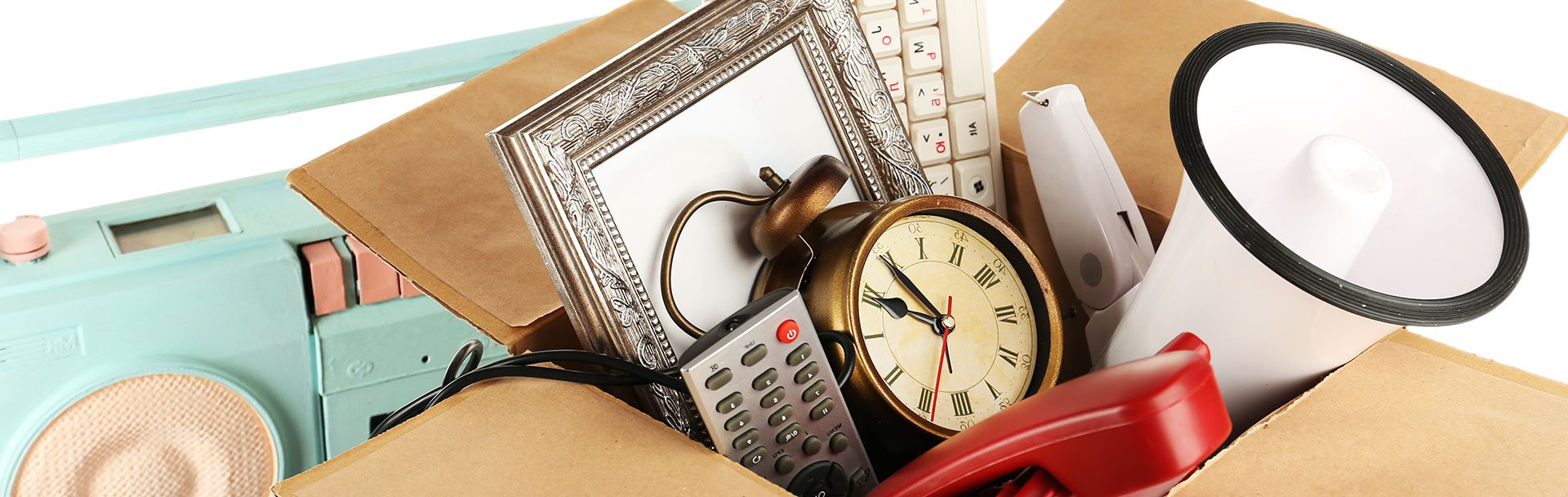
Rubbish collection near Tufnell Park station
Posted on 27/07/2026
Rubbish collection near Tufnell Park station: a practical local guide
If you are looking for rubbish collection near Tufnell Park station, you are probably after one thing: a fast, sensible way to clear clutter without turning your day upside down. Maybe it is a flat full of cardboard after a move, maybe a half-finished DIY project has left bags and timber in the hallway, or maybe the garden has quietly turned into a small wilderness. Truth be told, rubbish builds up in London quickly, and around a busy station area it can feel even more awkward to manage.
This guide explains how local rubbish collection works, what to expect, how to choose the right service, and how to avoid the usual headaches. It is written for real-life situations, not theory. You will get practical steps, useful comparisons, compliance pointers, and a few judgement calls that help you decide when collection makes sense and when another approach may be better.
One thing people often underestimate: the best rubbish removal is not just about lifting heavy stuff. It is about timing, access, sorting, safety, and leaving the place tidy enough that you can move on with your day. Near a station, that matters even more.
![A large collection of mixed household waste and rubbish is piled up on a paved urban street near a parking area. The refuse includes cardboard boxes, plastic bags, paper, and packaging materials, with some items spilling onto the surrounding pavement. In the foreground, several brown cardboard boxes and plastic containers are visible, along with crumpled papers and miscellaneous debris. Several black and red rubbish bags are stacked or scattered among the waste, some partially opened revealing rubbish inside. Behind the pile, a medium-sized, grey metal bin marked for mixed paper and cardboard stands overflowing with packaging and paper waste. To the left, a parked grey car with a British registration plate is adjacent to a low metal railing separating the waste from the parking area. In the background, a commercial building with signage and a shopfront is visible, with a blue metal scaffold structure installed on the façade. The scene is captured during daylight hours, with natural lighting illuminating the urban environment. This image reflects typical on-site waste accumulation prioritising private rubbish disposal over municipal collection, suitable for professional rubbish removal services like those offered by [COMPANY_NAME].](/pub/blogphoto/rubbish-collection-near-tufnell-park-station1.jpg)
Why rubbish collection near Tufnell Park station matters
Tufnell Park station sits in a part of London where homes, flats, shops, and small businesses sit quite close together. That creates a simple reality: waste has less room to hide. A few bags left too long, a broken wardrobe in a stairwell, or a pile of builders' offcuts near the pavement can become a nuisance far quicker than you expect.
For residents, the issue is usually convenience. Most people do not have a van, do not want to carry bulky items on public transport, and would rather not spend an entire Saturday making trips to a tip. For landlords, agents, and local businesses, there is also the reputational side. Messy waste outside a property creates a poor first impression, and in a busy neighbourhood that impression lingers.
There is also the practical London factor: access can be tight, parking can be limited, and stairwells can be awkward. A good rubbish collection service helps reduce the friction. It is not glamorous work, but it is the sort of service that can instantly make a property feel calmer, cleaner, and more manageable. Small relief, big difference.
If you are comparing different types of waste support, it can help to understand the broader range of services on offer. A useful starting point is the services overview, especially if you are weighing one-off collection against a more complete waste removal solution.
How rubbish collection near Tufnell Park station works
In most cases, rubbish collection follows a straightforward pattern. You book a collection, describe the waste, agree an estimate or quote, and then the team arrives to remove the items. The details matter, though, and that is where people either save time or create stress for themselves.
Typical collection process
- Identify the waste - Separate general rubbish, recyclables, garden debris, furniture, and anything potentially hazardous.
- Estimate the load - A few bin bags is one thing; a full room clearance is another. Be honest about volume.
- Check access - Stair-only flats, narrow entrances, and restricted parking can all affect the job.
- Choose a time window - Near the station, timing around traffic, loading restrictions, or building access can save a lot of hassle.
- Collection and loading - The team removes items, usually sorting materials for disposal or recycling where suitable.
- Final sweep - A decent service leaves the area clear and ready for the next step, not just less cluttered.
There are a few common collection models. Some jobs are ideal for a quick same-day pick-up. Others need a larger vehicle, more labour, or a specialist team. Builders' waste, for example, is a different beast from a few old mattresses. Office clearances are different again because of paperwork, electronics, and security concerns.
That is why it helps to match the service to the job rather than assuming one size fits all. If your waste comes from a renovation or refurbishment, you may want to look at builders' waste disposal in Tufnell Park. If you are clearing a home, house clearance in Tufnell Park may be the better fit. And for desks, filing cabinets, or end-of-lease clear-outs, office clearance in Tufnell Park is usually more appropriate.
Key benefits and practical advantages
Let's face it, the best waste service is the one that quietly solves a problem without creating three more. Near Tufnell Park station, the main benefits tend to be practical rather than flashy.
- Convenience: You avoid lifting, carrying, sorting, and transporting waste yourself.
- Time savings: One visit can replace several trips to a disposal site or a week of "I'll deal with it later."
- Better property presentation: Especially useful before letting, selling, or hosting guests.
- Safer handling: Heavy furniture, sharp debris, and dusty bags are easier to manage with the right equipment.
- Cleaner disposal process: Reputable teams sort and route waste more responsibly than a rushed DIY job.
- Less stress in tight spaces: Station-area properties often have awkward access, so an experienced team can make a real difference.
There is also a quiet emotional benefit that people do not always mention. A cleared room changes how a home feels. You notice the light again, the floor space, the possibility of using the room properly. It sounds small. It is not, though.
If sustainability matters to you, it is worth asking how materials are handled after collection. The page on recycling and sustainability is a helpful companion read if you want to understand responsible disposal habits and the value of sorting waste properly.
Who this is for and when it makes sense
Rubbish collection near Tufnell Park station can work for a surprisingly wide range of people. It is not just for major clear-outs. In our experience, the jobs people ask for most are often small enough to delay, but annoying enough to keep on the to-do list for weeks.
Common situations where collection makes sense
- Tenants moving out: Leftover bags, broken furniture, wardrobe parts, and forgotten loft clutter.
- Homeowners refreshing a room: Old carpets, shelves, boxes, and general decluttering.
- Landlords and letting agents: End-of-tenancy waste, furniture removal, and post-checkout clearances.
- Local businesses: Packaging waste, broken furniture, archive disposal, and office tidy-ups.
- Builders and tradespeople: Mixed construction waste after a project.
- Gardeners and outdoor projects: Green waste, soil, branches, and bagged cuttings.
Some jobs are obvious. Others are borderline. If you are not sure whether collection is the best route, ask yourself: is the waste bulky, time-sensitive, awkward to move, or likely to cause problems if left in place? If the answer is yes to one or more of those, collection is probably worth it.
For outside jobs and seasonal tidy-ups, garden waste removal in Tufnell Park can be a better choice than general rubbish removal. And if you are dealing with mixed household clutter rather than a few stray bags, the dedicated rubbish collection in Tufnell Park page may be useful for comparing service scope.
Step-by-step guidance
If you want a smooth collection near the station, the best results usually come from a little preparation. Not much. Just enough to stop the day becoming chaotic.
- Walk through the space first. Look at what needs to go and group it by type. Old electronics, timber, soft furnishings, green waste, and general rubbish are worth separating where possible.
- Take quick photos. This helps you explain the load clearly and avoids awkward surprises when the team arrives.
- Check access. Note any stairs, narrow halls, basement storage, or parking restrictions. Near a station, access can be the deciding factor.
- Move small loose items together. Put bagged waste in one place if safe to do so. Do not overpack or block exits.
- Flag anything unusual. Paint, batteries, fridges, chemicals, or heavy masonry may need special handling.
- Confirm timings. If your building has limited entry times or a busy concierge desk, say so early.
- Be ready for collection. The quicker the handover, the smoother the visit.
A very ordinary example: someone clears a spare room but leaves the old mattress hidden behind stacked boxes. The crew arrives, the mattress suddenly appears, and the quote changes. No drama, just avoidable friction. A five-minute check the night before usually saves that little scramble.
If you want broader context on how a local waste service is structured, you can also review the waste removal in Tufnell Park page, which helps explain where collection fits within a fuller removal process.
Expert tips for better results
The difference between a decent collection and a really smooth one often comes down to the small stuff. Nothing heroic. Just good habits.
What tends to work best
- Sort before the crew arrives. Even a rough separation helps, especially for recycling and bulky items.
- Be precise about volume. "A few bags" and "half a van" are not the same thing, obviously.
- Keep the route clear. Doorways, stairs, and hall spaces should be easy to move through.
- Ask how materials are handled. A responsible operator should be able to explain their disposal approach in plain English.
- Plan around the building. If neighbours, porters, or landlords need notice, give it. Saves grief.
- Think about heavy items early. Sofas, wardrobes, beds, and appliances are best handled with a clear plan, not at the last minute.
A small but useful tip: if you are clearing a flat close to the station, try not to leave bagged waste in the communal hallway overnight. It may seem harmless. It usually is not. Things vanish, split, get in the way, or attract complaints. London hallways have a way of amplifying tiny issues.
For people balancing collection with safety concerns, the insurance and safety page is worth a look. It reinforces the common-sense point that proper waste handling should protect both people and property.
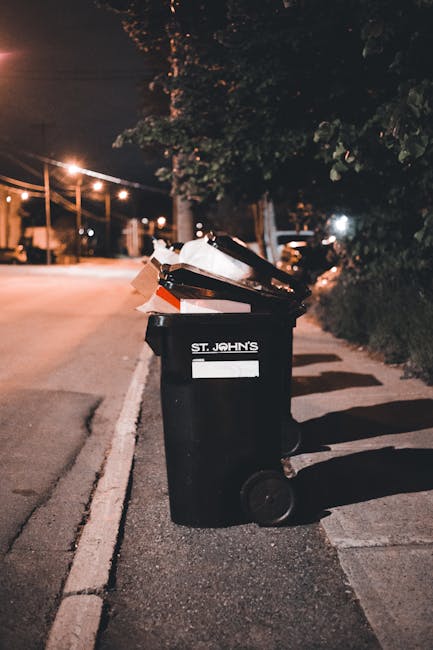
Common mistakes to avoid
Most rubbish collection problems are preventable. The mistake is usually not the waste itself. It is the lack of detail around it.
- Underestimating volume: One extra sofa can change the whole job.
- Mixing normal waste with restricted items: Not everything can be treated the same way.
- Ignoring access issues: A van cannot magically appear inside a tight street. Shame, really.
- Forgetting building rules: Some blocks have specific loading or access windows.
- Leaving sorting to the last second: That creates delays and confusion.
- Choosing only on price: Cheapest is not always best if the team is rushed or unclear.
- Assuming every provider handles everything: Some items need specialist treatment.
Another common issue is trying to make collection do the job of full clearance. If you are removing waste from an entire property, a proper house, office, or builders' clearance service may be more efficient and better value. Patching together several small removals can end up costing more in time and stress. Not always, but often enough to notice.
Tools, resources and recommendations
You do not need much gear to prepare for rubbish collection, but a few basics make things easier.
Useful preparation items
- Heavy-duty bags or sacks: Better for loose waste and safer to carry.
- Tape and labels: Handy for marking items that should stay together.
- Work gloves: Useful for splintered wood, dusty cardboard, or garden debris.
- Phone camera: Quick photos help with quotes and planning.
- Basic trolley or sack truck: Helpful if you are moving items inside the property before collection.
On the decision side, a few website pages are especially useful if you are comparing options. The pricing and quotes page helps set expectations around how estimates are usually approached, while payment and security explains what to look for when a service handles payment responsibly.
If you are comparing the company itself as well as the service, about us gives a sense of the people behind the work. That matters more than some buyers think. Waste collection is a practical service, yes, but trust still counts.
For readers who like to understand the wider local context, the blog posts on exploring Tufnell Park and resident advice for Tufnell Park are a neat reminder that this is a lived-in area with a mix of flats, family homes, and busy local routines. Waste services need to fit that reality, not fight it.
Law, compliance, standards, or best practice
Any rubbish collection service should operate with care, especially where waste can affect neighbours, public spaces, or shared access. You do not need to become a compliance expert, but it is sensible to know the basics.
In the UK, waste should be handled responsibly, and anyone collecting it professionally should be able to explain how it is carried, sorted, and disposed of. For customers, the main practical point is simple: do not dump waste where it does not belong, and do not assume every item is ordinary household rubbish.
Good practice usually includes:
- Clear description of waste type: So the service can prepare properly.
- Safe loading and transport: Especially for heavy, sharp, dusty, or awkward items.
- Responsible disposal routes: Recycling where appropriate and lawful disposal where necessary.
- Respect for shared spaces: Particularly in blocks, terraces, and mixed-use buildings.
- Care with special items: Certain materials or appliances can require separate treatment.
If a job includes renovation debris or mixed construction material, a specialist approach is usually the sensible route. That is why builders' waste disposal exists as its own service. It is not marketing fluff; it is practical distinction.
And one more thing: if a provider cannot explain their process in simple terms, that is worth noticing. The right answer should not feel slippery or vague. It should feel calm and straightforward.
Options, methods, or comparison table
Choosing the right method depends on the amount, type, and urgency of the waste. Here is a simple comparison to help you think it through.
| Option | Best for | Strengths | Limitations |
|---|---|---|---|
| DIY disposal | Very small loads, bagged rubbish, occasional items | Can be cheap if you already have transport | Time-consuming, physically demanding, awkward near the station |
| Regular council-style disposal habits | Everyday household waste and routine recycling | Good for normal weekly waste flow | Not suitable for bulky items or large clearances |
| Book a rubbish collection | Mixed household waste, bulky items, short-notice clear-ups | Convenient, fast, less lifting | Cost depends on volume and access |
| Specialist clearance service | Full room, property, office, garden, or builders' clearances | More efficient for larger jobs | May be more than you need for a small load |
In simple terms, if the job feels like a nuisance but not a full-scale project, rubbish collection is often the sweet spot. If it feels like a major declutter or renovation aftermath, specialist clearance is usually the smarter call. That is the bit people often get wrong.
Case study or real-world example
Here is a realistic example. A small flat near the station needs clearing after a tenant move-out. The room contains two broken bedside tables, several bin bags of mixed clutter, one office chair, flattened cardboard, and a large but lightweight storage unit that has already been partly dismantled. There is no lift, the stairwell is narrow, and the street has limited stopping options mid-morning.
The sensible approach is to sort the waste first, photograph the main items, and explain the access constraints clearly before booking. If the provider knows there is a staircase and awkward parking, they can bring the right team and allow enough time. On the day, the collection runs smoothly because everyone knew the shape of the job in advance.
Now imagine the same flat, but with the details hidden. The team arrives expecting a simple bag collection and discovers a bulky furniture load upstairs. That is where delays happen. Sometimes the quote changes. Sometimes the job is still done, but the mood shifts. Nobody loves that. Nobody.
The lesson is simple: accurate information is not admin for the sake of it. It is what makes the service work.
Practical checklist
Use this before booking rubbish collection near Tufnell Park station:
- List every main item or waste type you want removed.
- Separate general rubbish from reusable, recyclable, or specialist items.
- Take a few photos from different angles.
- Check access: stairs, lift, narrow hallway, locked gate, parking, loading space.
- Confirm the best time for collection based on building rules and street access.
- Ask how the waste will be handled after it is taken away.
- Make sure anything sensitive, personal, or valuable is removed beforehand.
- Keep the route to the waste clear on collection day.
- Be ready to answer quick questions about quantity or item size.
- Review whether a simple collection or a fuller clearance service is the better fit.
Expert summary: the best rubbish collection jobs are the ones that are easy to describe, easy to access, and easy to sort. If you can explain the load clearly in two minutes, you are already halfway to a smoother day.
Conclusion
Rubbish collection near Tufnell Park station is, at its core, about making life simpler in a busy local environment. It helps when you are moving, renovating, decluttering, managing a rental, or just trying to reclaim a room that has become a dumping ground for "later." And let's be honest, later often turns into next month if nobody intervenes.
The strongest results come from choosing the right service, being clear about the waste, and paying attention to access and timing. That combination saves time, avoids awkward surprises, and gives you a cleaner finish. If you want to take the next step with confidence, start with the service that fits your actual situation, not the one that sounds closest to the problem.
Get a free quote today and see how much you can save.
Sometimes the nicest thing about a good collection is not the removal itself, but the quiet after it. Room by room, it gives you back a bit of space to breathe.
![A large collection of mixed household waste and rubbish is piled up on a paved urban street near a parking area. The refuse includes cardboard boxes, plastic bags, paper, and packaging materials, with some items spilling onto the surrounding pavement. In the foreground, several brown cardboard boxes and plastic containers are visible, along with crumpled papers and miscellaneous debris. Several black and red rubbish bags are stacked or scattered among the waste, some partially opened revealing rubbish inside. Behind the pile, a medium-sized, grey metal bin marked for mixed paper and cardboard stands overflowing with packaging and paper waste. To the left, a parked grey car with a British registration plate is adjacent to a low metal railing separating the waste from the parking area. In the background, a commercial building with signage and a shopfront is visible, with a blue metal scaffold structure installed on the façade. The scene is captured during daylight hours, with natural lighting illuminating the urban environment. This image reflects typical on-site waste accumulation prioritising private rubbish disposal over municipal collection, suitable for professional rubbish removal services like those offered by [COMPANY_NAME].](/pub/blogphoto/rubbish-collection-near-tufnell-park-station3.jpg)

From a young age, Blair has cultivated a passion for order, which has now matured into a prosperous profession as a waste removal specialist. She derives satisfaction from transforming disorderly spaces into practical ones, aiding clients in conquering the burden of clutter.
 Tipper Van - Rubbish Collection and Builders Junk Clearance Prices in Tufnell Park, N7
 Luton Van - Rubbish Collection and Builders Junk Clearance Prices in Tufnell Park, N7